Table of Contents
- Why Property Owners Underestimate Post-Replacement Maintenance
- Understanding Your Roof's First Critical Year
- Essential Seasonal Maintenance Tasks We Recommend
- Protecting Your Zero-Regret Roof System Investment
- Common Mistakes That Void Roofing Warranties
- How Our Lifetime Workmanship Protection Supports Your Maintenance
- Professional Inspections: The Foundation of Longevity
- Addressing Storm Damage and Emergency Situations
- Flexible Financing for Maintenance and Future Repairs
- Your Long-Term Roof Protection Strategy
- Frequently Asked Questions (FAQ)
Why Property Owners Underestimate Post-Replacement Maintenance
A new roof feels like a permanent solution. You’ve invested significant money, dealt with the installation process, and now you expect years of worry-free protection. The reality, though, is that roof replacement maintenance requirements are real and often overlooked. Many property owners in Pennsylvania and New Jersey assume that once installation is complete, their roof needs little attention until it fails. This mindset can undermine your investment faster than you’d expect.
We’ve seen this pattern repeatedly: homeowners and commercial managers treat their new roof like it should operate on autopilot. The truth is that active maintenance during the first years after replacement, combined with seasonal care and professional inspections, directly determines how long your roof actually lasts and how well it protects your property.
Most property owners focus entirely on the installation phase. They compare quotes, select materials, and schedule the work. Once the crew leaves and the invoice is paid, the mental checklist feels complete. This creates a dangerous gap: the belief that a roof’s lifespan is guaranteed through materials alone.
What many don’t realize is that material quality and workmanship quality are only two parts of the equation. The third part is ongoing stewardship. A roof experiences constant stress from sun exposure, thermal expansion and contraction, wind pressure, debris accumulation, and water interaction. Each season introduces different challenges that require attention.
Additionally, many warranty documents bury maintenance requirements in fine print. Property owners skip this section entirely, then later discover that failing to perform basic care actually voids their protection. We recommend reading your warranty document thoroughly and asking your installation team to walk through specific maintenance expectations before they leave your property.
Action: Request a written maintenance checklist from your roofing contractor and keep it accessible for annual reference.
Understanding Your Roof’s First Critical Year
The twelve months following installation are arguably the most important for your roof’s long-term performance. During this period, materials are settling into place, fastener seals are curing properly, and the entire system is adjusting to your local climate.
Within the first year, you should schedule at least two professional inspections: one at the six-month mark and another at twelve months. These inspections catch fasteners that may need tightening, sealant applications that require touch-ups, and any flashing issues that could develop into water intrusion problems before they become serious.
Pennsylvania and New Jersey experience significant seasonal changes, and your new roof encounters this full cycle during year one. Spring rains test your gutters and drainage systems. Summer heat expands materials. Fall debris can clog gutters and create moisture pockets. Winter ice and snow load challenge structural integrity and seal performance.
Property owners often skip these early inspections thinking everything is obviously fine. What you can’t see from ground level, however, includes granule loss patterns, sealant degradation, and early signs of flashing separation. Catching these issues in year one costs far less than managing water damage in year three.
Action: Schedule your six-month and twelve-month post-installation inspections now and mark them on your calendar.
Essential Seasonal Maintenance Tasks We Recommend
Effective roof maintenance follows your region’s weather patterns. Each season brings specific maintenance priorities that protect your investment and extend performance life.
Spring maintenance focuses on debris removal and drainage inspection. After winter, your gutters likely contain leaves, branches, and other accumulated material. Clear gutters thoroughly and inspect downspouts to ensure water flows away from your foundation. Check for any winter damage, including lifted shingles or missing fasteners, and look for signs of water staining on interior ceilings.
Summer priorities shift toward heat-related concerns. Inspect flashing around vent pipes, chimneys, and skylights, as thermal expansion can separate sealants. Trim tree branches hanging over your roof to reduce debris and improve air circulation. Check for any buckling or blistering that might indicate moisture problems underneath.
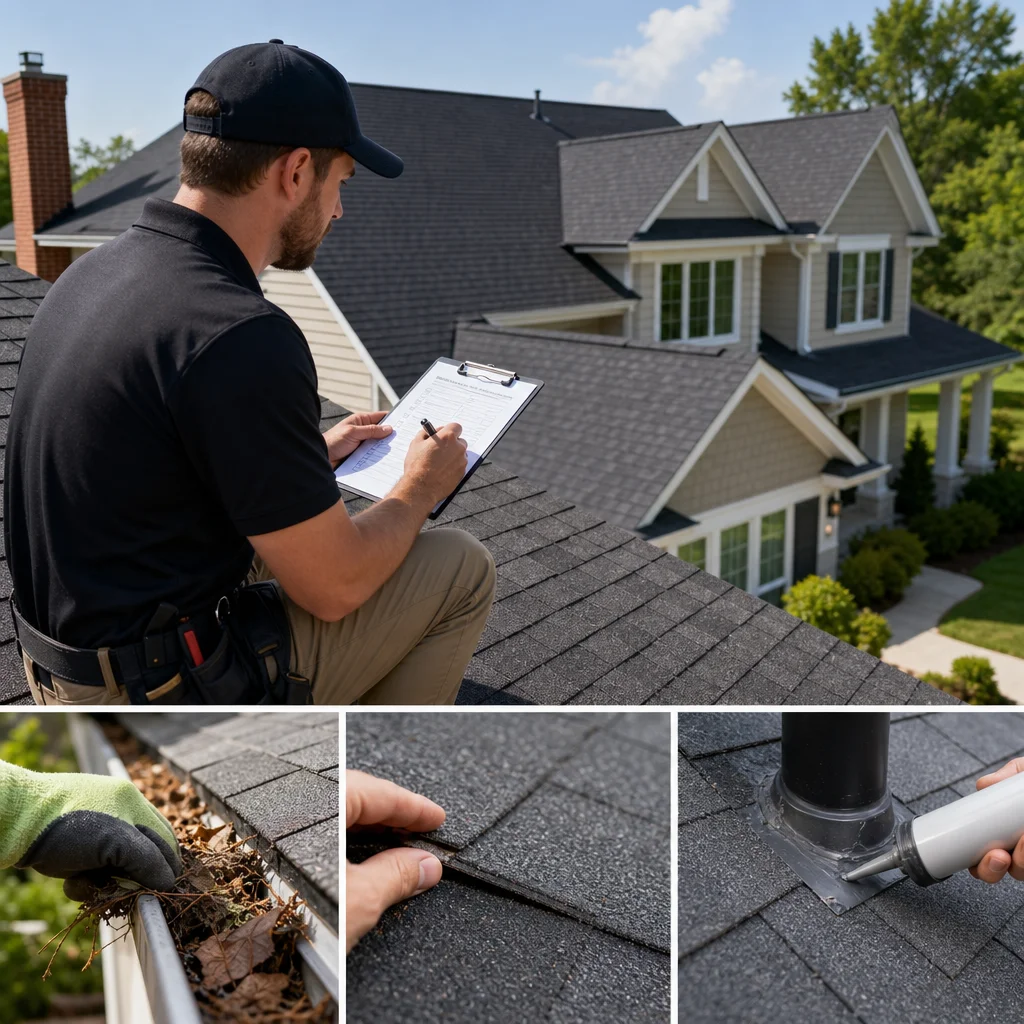
Fall demands gutter cleaning again and leaf removal from roof surfaces. Leaves trap moisture against your roof covering, accelerating deterioration. Clear your gutters before the heaviest leaf drop occurs, and remove any debris from roof valleys where water collects. Inspect for loose or damaged flashing before winter weather intensifies.
Winter preparation includes ensuring your gutters are completely clear and checking that roof ice dam prevention measures (if applicable to your system) are in place. After heavy snow or ice events, have a professional inspect your roof for stress damage or fastener uplift.
Action: Create a seasonal maintenance calendar specific to your local area and assign these tasks to a responsible team member or schedule them with a professional.
Protecting Your Zero-Regret Roof System Investment
We designed our Zero Regret roof systems with longevity and protection as core principles. This system combines premium materials, superior workmanship, and a comprehensive approach to ensuring your roof performs reliably for decades.
The Zero-Regret system includes multiple layers of protection: engineered underlayment, advanced fastening techniques, professional-grade flashing, and sealed seams that exceed standard industry practices. However, even this superior system requires maintenance to deliver on its promises.
Protecting this investment means treating maintenance not as optional but as essential. When you skip gutter cleaning, you’re essentially allowing water to back up under your flashing. When you ignore visible damage signs, you’re accelerating the deterioration timeline. When you fail to address small leaks promptly, you’re risking mold growth and structural damage that costs exponentially more to repair.
We recommend treating your roof with the same care you’d apply to your vehicle: regular scheduled maintenance prevents emergency breakdowns. For your Zero-Regret system specifically, this means professional inspections every two years after the first year, prompt attention to any visible damage, and consistent seasonal maintenance.
Action: Schedule bi-annual professional inspections after year one and keep detailed records of all maintenance performed.
Common Mistakes That Void Roofing Warranties
Many property owners inadvertently invalidate their roof warranties through common mistakes. Understanding these pitfalls protects your coverage and extends your roof’s working life.
The most frequent mistake is neglecting maintenance entirely. Most roofing warranties explicitly state that lack of maintenance voids coverage. This isn’t punitive; it’s contractual logic. A manufacturer cannot guarantee a product’s performance if the owner fails to use it as designed. If your warranty requires annual inspections and you skip them for three years, your coverage becomes questionable when problems arise.
Another critical error is hiring unqualified contractors for repairs or modifications. Any work performed on your roof should be done by licensed, experienced professionals. Improper repairs create new problems, damage existing warranties, and can actually worsen underlying issues. DIY roof repairs, while tempting to save money, almost always result in warranty complications.
Installing additions or attachments without proper authorization also causes problems. Adding solar panels, satellites, HVAC equipment, or roof decking without consulting your roofing contractor can violate warranty terms. These additions stress the roof system in unintended ways and may require reinforcement or different installation methods.
Pressure washing your roof is surprisingly common and surprisingly destructive. High-pressure water removes granules, damages protective coatings, and can drive water into seams. If you need cleaning, use gentle methods or hire professionals who understand your specific roof type.
Action: Before any roof work or modification, contact your roofing contractor to confirm warranty implications.
How Our Lifetime Workmanship Protection Supports Your Maintenance
We stand behind our work with lifetime workmanship protection on every installation we perform. This commitment directly supports your maintenance efforts by providing confidence that any issues arising from improper installation will be addressed without additional cost throughout your roof’s life.
Workmanship protection covers defects in how we installed your roof: fastening problems, improper sealing, flashing installation errors, and similar issues that stem from our installation quality. This complement your material warranty, which the manufacturer provides. Together, these two protections create a comprehensive safety net.

What this means practically is that if you maintain your roof properly and issues arise from installation quality, we’re responsible for correction. This incentivizes us to install correctly from day one, and it incentivizes you to maintain the system properly so that legitimate warranty claims can be clearly distinguished from maintenance failures.
Our lifetime workmanship protection also means you have a trusted resource for maintenance guidance. When you have questions about seasonal care, inspection findings, or damage assessment, we’re available to help interpret situations and recommend appropriate action. This isn’t generic contractor advice; it’s guidance from the team that installed your specific roof system.
Action: Keep documentation of your workmanship warranty in a safe location and reference it before authorizing any roof repairs.
Professional Inspections: The Foundation of Longevity
Professional inspections are the cornerstone of effective maintenance. While seasonal visual checks help you spot obvious problems, professional inspections use equipment, experience, and detailed knowledge to identify issues invisible to property owners.
A comprehensive professional inspection covers multiple critical areas. Inspectors examine the roof covering itself for granule loss, cracking, and deterioration. They inspect all flashing, seams, and transitions where water intrusion commonly begins. They evaluate gutter and drainage systems for proper function. They check interior evidence of leaks or moisture problems. They document everything with detailed reports and often photographs.
The timing of inspections matters significantly. We recommend professional inspections at six months and twelve months after installation, then annually for the next five years, then every two years thereafter. However, additional inspections should follow major weather events, particularly severe storms, high winds, or heavy snow and ice conditions.
In Pennsylvania and New Jersey, spring and fall inspections capture critical transition periods. Spring inspections reveal winter damage. Fall inspections prepare you for winter stress. Combined with post-storm inspections, these capture the full range of conditions your roof experiences annually.
Professional inspectors also serve as educators. During their visit, they can explain what they’re observing, answer your questions about maintenance, and help you prioritize future work. This knowledge transfer empowers you to maintain your roof more effectively between inspections.
Action: Schedule your next professional inspection with a licensed roofing contractor and ask for a written report documenting findings and recommendations.
Addressing Storm Damage and Emergency Situations
Pennsylvania and New Jersey experience significant storms throughout the year: spring tornadoes, summer derechos, nor’easters in fall and winter, and ice storms that can occur any cold-weather month. Your roof is the first line of defense against these events, and knowing how to respond when damage occurs is crucial.
Immediate post-storm action matters. If you suspect roof damage, prioritize interior inspection for water entry. Check your attic or upper-floor ceilings for water staining, dripping, or active leaks. Document any damage with photographs for insurance purposes. If you notice active leaks or exposed roof areas, contact emergency roofing services immediately to prevent further water intrusion.
We provide emergency storm response and tarping services to protect your property when damage occurs. Tarping a damaged roof section prevents water from entering your home while you arrange permanent repairs. This temporary protection often prevents thousands of dollars in interior damage and mold growth.
Insurance claim assistance is another critical service during storm recovery. Your roofing contractor should help you navigate the insurance process, document damage properly, and communicate with adjusters. We work with property owners to maximize legitimate insurance recovery and explain coverage limitations clearly.
Many storm-damaged roofs qualify for insurance-covered replacement, especially when damage is widespread or affects a significant roof percentage. Understanding your coverage, working with professionals who know the insurance process, and acting promptly ensures you get the protection your policy provides.
Action: Keep emergency contact information for roofing services accessible and understand your insurance coverage limits for roof damage.
Flexible Financing for Maintenance and Future Repairs
Roof maintenance and repairs represent ongoing expenses, but financing options can make these investments manageable. We offer flexible financing options that allow property owners to address maintenance needs and necessary repairs without straining their budget.
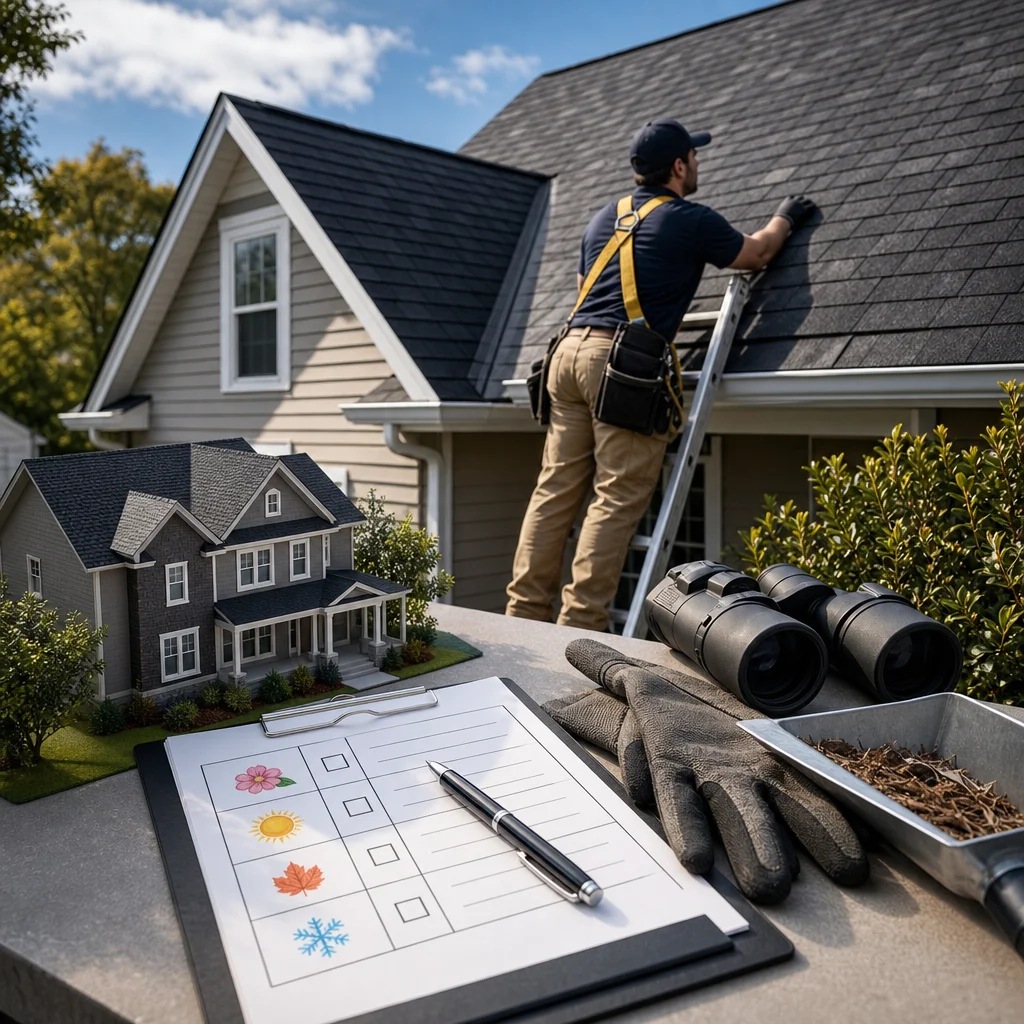
Regular maintenance costs far less than emergency repairs or premature replacement. Investing in seasonal cleaning, inspections, and minor repairs protects your significantly larger investment. Financing options make this preventive approach accessible even when multiple projects need attention.
For major repairs or eventual roof replacement, flexible financing spreads costs over time, matching payment timing with your cash flow needs. This allows you to address necessary work when it’s needed rather than delaying repairs until problems become critical.
When evaluating financing options, consider the total cost of deferred maintenance versus the financing cost of addressing issues promptly. A small roof leak might cost $500 to repair now, but that same issue ignored for two years could require $5000 in interior damage repair plus the original roof work.
We work with property owners to understand their financial situation and recommend financing approaches that make sense for their circumstances. No two roofing situations are identical, and financial flexibility recognizes this reality.
Action: Contact us to discuss financing options for your maintenance needs or planned repairs.
Your Long-Term Roof Protection Strategy
Effective roof protection isn’t a single decision; it’s an ongoing strategy that evolves with your roof’s age and condition. A comprehensive long-term approach includes regular maintenance, professional inspections, prompt attention to emerging issues, and planned funding for eventual replacement.
Year one through five focuses on establishing reliable maintenance habits and catching any installation-related issues early. Years six through fifteen emphasize consistent maintenance and identifying any material-related deterioration. Years fifteen and beyond require more frequent inspections and financial planning for eventual replacement.
The specific timeline for your roof depends on materials chosen, installation quality, local climate stress, and maintenance consistency. A premium roof system installed correctly and maintained properly will exceed manufacturer warranty periods significantly. A standard system neglected will fail years earlier than expected.
We encourage property owners to think of roof investment as a long-term partnership. Your initial installation is our responsibility. Your ongoing maintenance is your responsibility, with professional support available when needed. By working together with this clear division, your roof delivers the protection and longevity you deserve.
The foundation of successful long-term roof protection is understanding what’s required now, committing to consistent maintenance, and having professional support available when you need expert guidance. This combination transforms your roof from a source of concern into a reliable, protected asset.
Action: Schedule a comprehensive roof evaluation with our team to establish your specific maintenance requirements and long-term protection strategy.
Frequently Asked Questions (FAQ)
What maintenance tasks should we prioritize during the first year after our new roof installation?
We recommend focusing on debris removal, gutter cleaning, and visual inspections during your roof’s first critical year. Our team suggests clearing leaves and branches from your roof and gutters every season, checking for any loose materials after storms, and scheduling a professional inspection at the six-month mark to catch any settling issues early. These foundational steps protect your investment and help us honor our Lifetime workmanship protection commitment.
How does our Lifetime workmanship protection help us support your maintenance needs?
Our Lifetime workmanship protection covers defects in our installation for as long as you own your property, which means we stand behind our work through your regular maintenance efforts. We provide clear maintenance guidelines designed to work alongside this protection, and our team is available to assist with covered issues at no additional cost. When you follow our recommended seasonal tasks, you’re maximizing both the lifespan of your roof and the value of our guarantee.
What happens if our roof sustains storm damage after replacement?
We offer emergency storm response and tarping services to protect your property from additional water damage, and we handle the insurance claim process on your behalf. Our team can assess storm damage quickly and determine whether repairs fall under warranty coverage or require additional work. We also offer flexible financing options if your insurance claim requires supplemental funding for repairs or future maintenance.